Showing posts with label Support for IBD. Show all posts

Tuesday, 16 July 2013

Guest Writer Lindsay Talks About the Importance of IBD Nurses

With any chronic medical condition comes a certain amount of fear. Especially when it comes to medical
problems which are prone to peaks and troughs. For a lot of people, that’s exactly what IBD is. You have weeks, months, maybe even years of nothing, and then – BAM. It hits you, and you’re back on the toilet. All. The. Time.

The fear comes from not knowing when that ‘bam’ is going to come along.

I’ve been ‘in remission’, in the words of my very kind and talented consultant, for a good couple of years now. My ‘bowel movements’ (17-year-old me is thinking, ‘kill me now,’) are fairly regular and under control, there’s no bleeding to write home about, I’m only ever in pain if I eat red or processed meat or a lot of pastry (Gregg’s is my nemesis) – overall, I’m doing pretty well.

But even though I’ve been given the r-word, the IBD team at the hospital are happy with me and my blood results are always normal, apart from slightly low iron levels, I live my life just waiting on something going wrong.

Take the last few weeks for example. I’ve lost a lot of weight. As soon as this happens, the warning bells start going off.

“I’m dying, aren’t I?” I mumbled to myself as I stepped off the scales. I’d lost half a stone in a fairly short space of time. In my head, it was Crohn’s. It was over. I could see the steroid prescription in my mind already.

Add onto this the slight twinge of pain I had on my lower right side, round about where my surgery scar marks six-and-a-half years since a small bowel resection. Warning sign number two.

Then there was the leg lumps. Another weird and wonderful Crohn’s symptom which I seem to get. ‘Erythema nodosum’ is the clinical name for this one, meaning red nodules. Basically, when there’s activity in the bowel, it causes these lumps to form on your legs. I don’t get understand either. I learned a long time ago to just accept whatever Crohn’s had to throw at me, because if I started questioning it, I’d go insane. In the last couple of months, I’ve had two delightful red lumps appear on my left leg, hard and hot and angry, causing my ankle to swell up. A great look in the summer months. Especially when coupled with a facial expression which reads: “Oh my God. I’m having a FLARE UP.”

So there I was, convinced that this was the end. I completely disregarded the fact that the weight loss could be due the fact that I’ve been incredibly busy at work and forgetting to eat regularly. (Rule number one – never forget to eat if you can eat.) The pain could’ve been explained by dinner out with a friend, a combination of indigestion and my stomach being delighted that I was actually feeding it something more substantial than a shop-bought salad and half a packet of crisps. And, I’ll admit it; I was a touch on the stressed side, (rule number two – never go for a job in journalism if you want to avoid stress), which can sometimes make the old leg problems flare up, according to my mate Dr Google.

But I ignored all of this logical thinking, and I called my brilliant IBD nurse. I’d just had my bloods done, so was calling for results (which were surely going to scream, “YOU ARE HAVING A MASSIVE FLARE UP LINDSAY!”), but I was ready to start wailing down the phone at her about all my symptoms and tell her that I’m doomed, DOOMED, and possibly start whimpering about not wanting another colonoscopy before she had time to even say hello. But her familiar, reassuring voice made me ask about the results first. And she told me, no, everything’s fine – just your folic acid that’s low, but we’ll get you on a supplement for that.
So I’m relatively healthy. Despite my best efforts in my head, I’m pretty normal (first time for everything). And hearing that, medically, there was no reason why all of this should be Crohn’s-related, I rationalised it all. But I have been reminded of a few things.

Know your own body. It’s really important to be aware of any changes, whether it’s a bit more bloating than usual, going to the toilet more or less frequently than you would do normally or weird stuff like your legs doing insane things or a twinge of pain in your belly.

Look after yourself. This is one I’m rubbish at. Eat as well as you can. Stick to what you can eat. Take the supplements and vitamins if you need them. Get plenty of sleep (I never do). Don’t let stresses get on top of you. And, basically, don’t give your body any excuses to have a meltdown. I’m thinking of taking up yoga. I have this vision of myself being some sort of Zen queen who floats around in cheesecloth dresses with my hair flowing free like Blake Lively’s, ensuring I stay in remission forever and ever. It’s never going to happen, but a girl can dream.
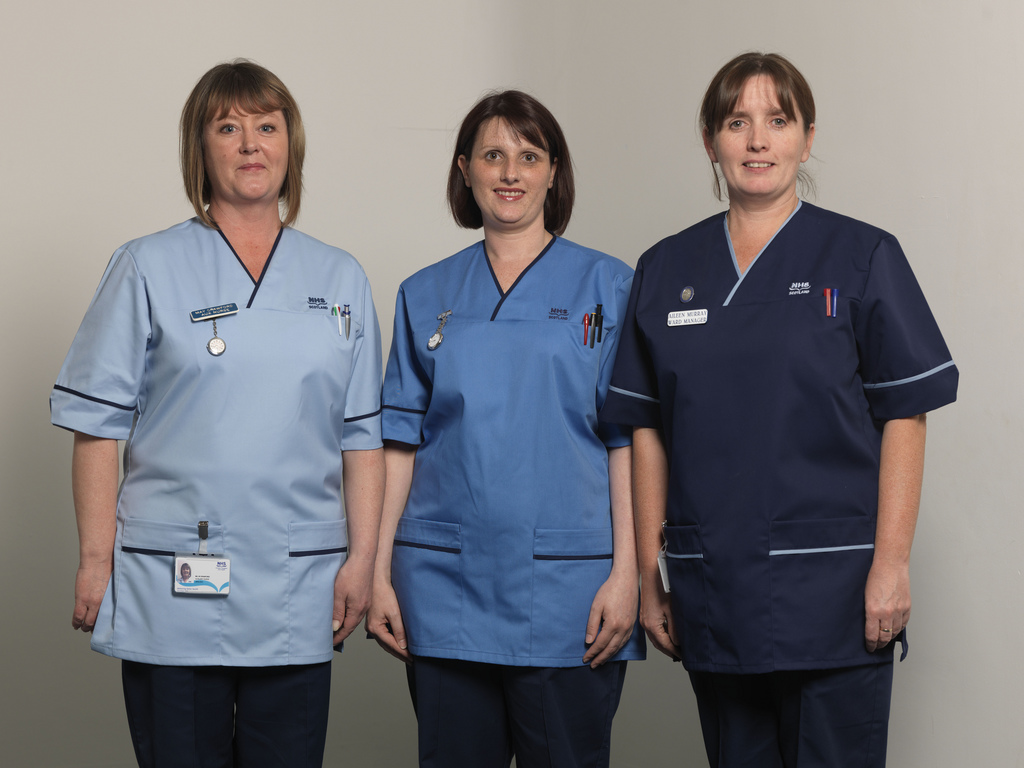
And lastly, IBD specialists are the best. If I had had a problem, a real problem, my local IBD nurse would’ve been able to help. In the last year, she’s dealt with wobbly voiced phoned calls from me twice, when in the throes of Crohn’s induced panic. “I’m bleeding!” I wailed. “I can’t have a flare up! I have a magazine going to print!”

On both occasions, cool as a cucumber, she told me that she was pretty sure it would be nothing because a) she knows me and she knows I’m bordering on hysterical at the best of times and b) she’d seen my blood work lately and it was all fine, but she booked me in for a scope within days and had me hand in some samples. She also managed to arrange it around work, which was good of her.

Not everyone has access to IBD nurses. Crohn’s and Colitis UK’s most recent survey found that one in five people don’t. This is, quite frankly, outrageous. These specialists are so, so important to people with IBD. Whether it’s for medical treatment, reassurance or just something to answer ridiculous questions, they’re amazing. Anne-Marie, who I go to see every eight months now, is genuinely lovely, very down-to-earth, so reassuring and won’t let me panic, even if I really want to. I’m really lucky to have access to her. And, to be honest, it’s made me reluctant to move out of this area, because I know that there’s no guarantee that I’d have this great clinic system elsewhere.

So keep calm, IBD sufferers. After all, there’s that old rumour that stress and worry makes this thing worse. If you have got access to an IBD nurse, make use of them. They’re there to make sure you’re OK. And if you don’t have one? Get involved with Crohn’s and Colitis UK to see how we can get the ball rolling to make sure everyone has access to this vital resource.


Monday, 20 May 2013

Crohn's and Colitis UK Groups


Membership:
Crohn's and Colitis UK members are asked to pay an annual subscription of £15. New members who are on a low income due to their health or employment circumstances may join at a reduced rate. Please email Penny Ingles on the Crohn's and Colitis UK membership team for more information. Overseas members are asked to pay £20 annually. Additional donations to help the work of the Association are always welcomed. Click here to join Crohn's and Colitis UK now.


Groups 
There are Crohn’s and Colitis UK Groups in most parts of the United Kingdom. If you give your permission when you join or afterwards, we will pass on your name to the Group in your area. These Groups are run by local volunteers and offer educational or support meetings, news of local publicity and fund-raising activities, together with a local point of contact. Click here to find your local Group.

Aims of Groups:
  • To help people who have Ulcerative Colitis or Crohn’s Disease and their families by:
  • Encouraging local support and self help.
  • Providing information and support.Increasing awareness of the charity through:

               - Publicity to non-members.
               - Information to members.Links with the health profession and hospitals.
               - Local media and events.
  • Encouraging members to take an active role within the charity.
  • Raising funds for local and national needs.


The types of activity undertaken or service provided by a Group may include:
  • regular self-help or support group meetings
  • educational meetings with a speaker or panel of 'experts'
  • question and answer sessions
  • social events
  • 'at home' or 'coffee' mornings/evenings to introduce people to each other
  • making videos or books available on a library basis
  • a local newsletter
  • contacting new or potential members to tell them about Crohn's and Colitis UK
  • liaison with hospital staff to publicise Crohn's and Colitis UK
  • local publicity (posters, media etc.)
  • fundraising events and appeals
  • representing the views of members to other local organisations or public bodies
  • advocacy for individual members
  • promoting the 'Can't Wait' card


Sunday, 19 May 2013

We're Just On the Other End of the Phone


Crohn's and Colitis UK Contacts are trained volunteers who offer emotional help and support at the end of the telephone to members and non-members alike. Anyone may call, whether they have IBD themselves or are the relative or friend of someone who has IBD.

All calls are kept strictly confidential and you do not have to give your name if you prefer not to. Contacts do not give medical information or advice, but can offer support at times when you may feel that you wish to talk through problems, situations or feelings with someone outside your immediate circle of family, friends or health care professionals.

Who are the Contacts?
Crohn's and Colitis Support (formerly NACC-in-Contact) was established in 1989 in response to the many patients and relatives seeking confidential personal support in coping with Ulcerative Colitis or Crohn’s Disease.

Contacts are members of the Association who are willing to offer themselves as supportive listeners over the telephone. They are usually patients or relatives of patients, and therefore can offer a very personal quality of understanding to those who call them. Contacts are volunteers, and all have been selected and trained for their listening skills.

National Support Line - 0845 130 3344
The National Support Line has extended its hours to provide a service from 1 - 3.30 pm as well as its existing opening hours from 6.30 – 9 pm every Monday, Tuesday, Wednesday, Thursday or Friday (excluding English Bank Holidays). Contacts can be reached by ringing the National Support Line number 0845 130 3344. Callers are charged at local call rates from most phones but not mobiles.

If you have any comments on the Crohn's and Colitis Support (formerly NACC-in-Contact) service, please e-mail or use our contact form


Monday, 29 April 2013

Guest Writer - Peter


Hi my name is Peter.  I have had Crohn's Disease since 2006; maybe a long time before that. After finding out how badly damaged my small bowel was after a number of tests and investigations, a full diagnosis was made in 2006.

The beginning of my journey with Crohn's Disease was a very bad experience, since I knew virtually nothing about the condition, to find out that this was going to be with me for  life  was a very daunting prospect.

I went through all the normal drugs and treatments but as many of you are aware some people suffer from a flare up from time to time and the first line drugs can help put you back in remission. For me these first and second line drugs  just don't cut the mustard. The most important thing I have found to deal with this condition is to keep a positive attitude and support.

So after surgery in 2007, I enjoyed a five year remission. Looking back I was very fortunate for this to happen but surgery did leave me with other problems. I was left with permanently loose stools but this was relatively easy for me to cope with in comparison to the horrible pain  I had endured before surgery.

In 2012 my Crohn's Disease came back. Six months of tests and investigations revealed inflammation and ulceration on the site of my previous surgery. During this time I decided that I would not just sit back and do nothing. IBD can leave you feeling very isolated and even depressed since you lose so much weight and fatigue starts to set in - to the point that you don't want to leave the house. So, it was time for me to try and spread the awareness of this challenging disease. How was I going to do it? I pondered for a while.

I decided to set up a website devoted to Crohn's disease. It had been fifteen years since I had last created a website but I was determined to try and create a platform for me to help people who were suffering as I was. I created a very basic website www.crohnsdiseasesupport.co.uk and followed that up with a Facebook page and Twitter account. To my amazement I got hundreds and then thousands of visitors to my site.  I was very reluctant, at first, to bare all about my condition and story to the world but I found the more I shared my journey, the more people wanted to share their experience with me. I also found it a great way to let off steam and got so involved with creating the website that I found it much easier to get through my  dark days.

The website was so successful in getting my message of support across to others that I then developed and ran my own professional website www.crohnsupport.com
The website gets over 1,000 views per month.

The website would not be as sucessful as it is without the support of my fellow Crohnie brothers and sisters.
The biggest help to me was joining a Facebook support group called Bowel Disease One Global Family. I met so many amazing patients that were willing to share their experience and knowledge with others. It was, and still is, a truly inspirational group. If you just reach out for support there are so many patients willing to support each other.

With the support of fellow patients and the IBD specialist nurse service at my local hospital,  life is now much easier. What I find heart-warming is that, even in the clutches of this disease,  I have someone to turn to for support - even if it's just a simple question of how best to prepare for an investigation. I know I will get some great advice or support whilst I am preparing.  I think it's just so important to know that I have support from patients that have been in my shoes and their advice and support is always valued.

My overall message to anyone diagnosed with IBD (Crohn's Disease or Ulcerative Colitis) is to talk to your IBD nurse if your condition worsens. Don't wait for your next appointment, these angels can get you the right care at the right time. Most of all they understand the condition, unlike many doctors. They are specially trained to care for people with IBD. Please don't be alone, get support from other patients, they know how you feel and can help you get through some of the tough times. I am very lucky to have an amazing wife, family and friends whom I can talk to but talking to another patient who is willing to share their experience with IBD is really amazing.

Thanks for reading and get some support "patient to patient is the best medicine".

Peter Buckley